


Introduction
Learning how to accessorize is one of the easiest ways to upgrade your style without buying a whole new wardrobe. Accessories may look small, but they have the power to change the entire feel of an outfit. A simple dress can look elegant, casual, or bold just by switching accessories. This is why understanding how to accessorize properly matters so much for beginners and intermediate fashion lovers.
Many people feel confused when it comes to accessories. They often wonder how many pieces to wear, which colors to choose, or how to match accessories with outfits. The good news is that accessorizing does not have to be complicated. With a few basic rules and some practice, anyone can learn how to accessorize with confidence.
This guide is written in simple English and focuses on practical advice. You will learn what accessorizing really means, why it is important, and how to do it step by step. We will cover accessories for everyday wear, formal outfits, casual looks, and special occasions. You will also learn common mistakes and expert tips that can save you time and money.
Whether you are dressing for work, a party, or daily life, knowing how to accessorize will help you look more put-together and stylish. By the end of this article, you will feel more confident choosing accessories that match your personality and lifestyle.
What Is How to Accessorize?
How to accessorize means adding extra items to your outfit to improve its overall look. Accessories include jewelry, bags, shoes, belts, scarves, watches, hats, and even eyewear. These items support your clothing and help express your personal style.
Accessorizing is not about wearing everything you own at once. Instead, it is about choosing the right pieces that work well with your clothes. Good accessorizing creates balance. It makes your outfit look complete without feeling heavy or messy.
When you learn how to accessorize, you learn how to mix colors, textures, and sizes. You also learn how to match accessories with different occasions. For example, casual accessories work well for daily wear, while elegant pieces suit formal events.
In simple terms, accessories are the finishing touch. They help your outfit tell a story and reflect who you are.
Why Is How to Accessorize Important?
Understanding how to accessorize is important because it helps you make the most of your wardrobe. You do not need many clothes if you know how to style them differently with accessories.
Accessories add personality to your look. They allow you to show your mood, culture, or taste without saying a word. A bold necklace can make a simple outfit stand out. A classic watch can make you look polished and professional.
Another reason why learning how to accessorize matters is confidence. When your outfit looks balanced and well-styled, you feel more confident. This confidence shows in your body language and behavior.
Accessories also help you adapt one outfit for different settings. With the right accessories, you can turn a daytime outfit into an evening look easily. This makes accessorizing practical and budget-friendly.
Detailed Step-by-Step Guide
Step 1: Start With the Outfit
Before choosing accessories, look at your outfit carefully. Notice its color, style, and purpose. Is it casual, formal, or festive? Knowing this helps you choose the right accessories.
Simple outfits work best with bold accessories. Busy outfits usually need minimal accessories. This balance is key when learning how to accessorize properly.
Step 2: Choose a Focal Point
Every outfit should have one main accessory that stands out. This could be a statement necklace, bold earrings, or a stylish bag. Once you choose a focal point, keep other accessories simple.
Having one focus prevents your outfit from looking overcrowded. It also makes your style look intentional and clean.
Step 3: Match Colors Wisly
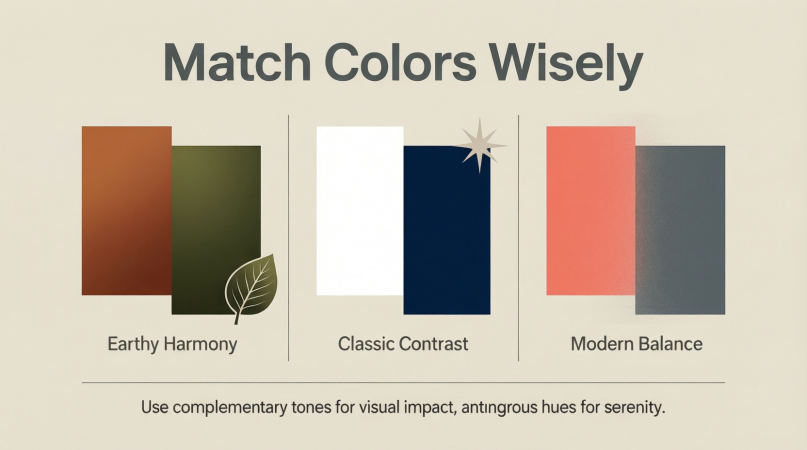
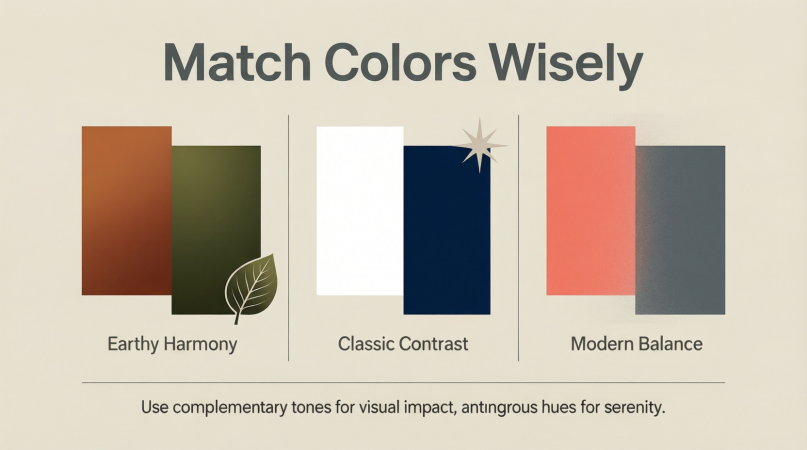
Color plays a big role in how to accessorize. You can match accessories with your outfit or choose contrasting colors for interest. Neutral colors like black, white, beige, and brown work with almost everything.
If your outfit is colorful, choose accessories in calm shades. If your outfit is neutral, you can add color through accessories. This keeps your look balanced.
Step 4: Consider Proportion and Size
The size of your accessories should match your body type and outfit. Large accessories suit simple outfits, while small accessories suit detailed clothing.
For example, delicate jewelry works well with soft fabrics. Chunky accessories look better with structured outfits. Proportion helps your look feel natural.
Step 5: Layer Accessories Carefully
Layering is a popular styling technique, but it should be done carefully. You can layer necklaces, bracelets, or rings, but avoid overdoing it.
When layering, keep pieces similar in color or style. This creates harmony and prevents your accessories from clashing.
Step 6: Match Accessories to the Occasion
Different occasions need different accessories. Casual outings allow playful and relaxed pieces. Work settings require clean and minimal accessories. Formal events call for elegant and refined items.
Knowing how to accessorize for each occasion helps you look appropriate and stylish at the same time.
Step 7: Balance Accessories With Comfort
Style should never sacrifice comfort. Choose accessories that feel good to wear. Heavy jewelry or tight belts can ruin your experience.
Comfortable accessories help you move freely and feel confident throughout the day.
Benefits of How to Accessorize
- Helps create multiple looks from the same clothes
- Enhances personal style and self-expression
- Saves money by upgrading outfits without new clothes
- Adds balance and polish to simple outfits
- Boosts confidence and appearance
- Allows easy transition between casual and formal looks
Disadvantages / Risks
- Over-accessorizing can make outfits look messy
- Poor color choices can clash with clothing
- Heavy accessories may feel uncomfortable
- Trend-based accessories may go out of style quickly
- Low-quality accessories can reduce overall look
Common Mistakes to Avoid
One common mistake when learning how to accessorize is wearing too many accessories at once. This often makes the outfit look cluttered. Another mistake is ignoring the outfit’s style and occasion.
Many people also forget about balance. Wearing bold accessories with bold clothes often causes confusion. Mixing too many colors or textures can also ruin a look.
Another mistake is following trends blindly. Not every trend suits everyone. It is better to choose accessories that match your personal style.
FAQs
How many accessories should I wear at one time?
There is no fixed number, but less is usually more. One or two main pieces are often enough to complete an outfit.
Can accessories really change an outfit?
Yes, accessories can completely change the look and feel of an outfit. They add personality and style easily.
How do I accessorize simple outfits?
Simple outfits work best with bold or statement accessories. This creates contrast and interest.
What accessories are best for beginners?
Start with basic items like a watch, simple jewelry, a neutral bag, and a belt. These are easy to style.
How to accessorize for formal events?
Choose elegant and minimal accessories. Avoid oversized or casual items for formal settings.
Do accessories need to match exactly?
No, accessories do not need to match perfectly. They should complement each other and the outfit.
Expert Tips & Bonus Points
Invest in timeless accessories that never go out of style. Neutral colors and classic designs work for many outfits.
Organize your accessories so you can see them easily. This makes accessorizing faster and more enjoyable.
Always consider your hairstyle and neckline when choosing jewelry. This small detail makes a big difference.
Trust your instincts. If an accessory feels right, it probably is.
Conclusion
Learning how to accessorize is a valuable skill that can transform your style. Accessories may seem small, but they play a powerful role in shaping your overall appearance. With the right accessories, even the simplest outfit can look stylish and complete.
The key to successful accessorizing is balance. Start with your outfit, choose a focal point, and add accessories that support your look instead of overpowering it. Color coordination, proportion, and comfort should always guide your choices.
Mistakes are part of the learning process, so do not be afraid to experiment. Over time, you will understand what works best for you. As you practice, accessorizing will become natural and enjoyable.
Remember, how to accessorize is not about following strict rules. It is about expressing yourself in a way that feels comfortable and confident. With these tips and steps, you can build stylish outfits that reflect your personality every day.
