


Introduction
Building a stylish wardrobe does not mean filling your closet with endless clothes. Instead, it is about owning the right wardrobe essentials that work for different occasions, seasons, and moods. Many beginners feel confused when shopping because trends change quickly. However, a well-planned wardrobe saves time, money, and daily stress. When you have reliable pieces, getting dressed becomes easy and enjoyable.
Wardrobe essentials are the foundation of personal style. They help you mix and match outfits without effort. Whether you are going to work, attending a casual event, or planning a short trip, these core items support every look. Most importantly, they suit beginners and intermediate fashion lovers who want simplicity without sacrificing style.
Another benefit of wardrobe essentials is consistency. When your clothes match well, you look polished and confident. This confidence shows in daily life and professional settings. Moreover, a balanced wardrobe reduces unnecessary shopping and promotes smarter fashion choices.
In this guide, you will learn what wardrobe essentials are, why they matter, and how to build them step by step. You will also discover benefits, risks, common mistakes, and expert tips. By the end, you will know how to create a timeless wardrobe that fits your lifestyle and personality.
What is Wardrobe Essentials?
Wardrobe essentials are basic clothing items that never go out of style. These pieces form the backbone of your closet and can be worn repeatedly in different ways. They are simple, versatile, and easy to pair with other clothes.
Examples include plain t-shirts, classic jeans, neutral shoes, and a well-fitted jacket. These items suit many occasions and seasons. Instead of being trendy, they focus on comfort, fit, and function.
Wardrobe essentials are not about quantity. They are about quality and usefulness. A small collection of well-chosen pieces often works better than a crowded wardrobe. When chosen carefully, these essentials reflect your personal taste while staying practical.
Why is Wardrobe Essentials Important?
Wardrobe essentials play a key role in daily life. They help reduce decision fatigue and make dressing easier. When your closet contains reliable pieces, you spend less time choosing outfits.
Another reason wardrobe essentials matter is cost efficiency. Investing in durable basics saves money over time. Instead of replacing trendy items often, you rely on timeless pieces.
Wardrobe essentials also support sustainability. Fewer purchases mean less waste. By choosing quality over quantity, you contribute to a more responsible fashion lifestyle.
Lastly, these essentials build confidence. When your clothes fit well and suit your style, you feel comfortable and prepared in any situation.
Detailed Step-by-Step Guide
Step 1: Understand Your Lifestyle
Start by analyzing your daily routine. Consider your work environment, social activities, and climate. Your wardrobe essentials should match your lifestyle needs.
For example, office workers may need formal basics, while students may prefer casual pieces. Understanding this helps you avoid unnecessary items.
Step 2: Choose Neutral Colors
Neutral colors form the base of wardrobe essentials. Shades like black, white, gray, navy, and beige are easy to mix.
These colors create balance and allow flexibility. You can always add color later through accessories or seasonal pieces.
Step 3: Focus on Fit
Fit matters more than brand. Well-fitted clothes look polished and comfortable. Avoid items that are too tight or too loose.
Try clothes before buying or choose brands with consistent sizing. Tailoring is also a smart option for key pieces.
Step 4: Build Core Clothing Items
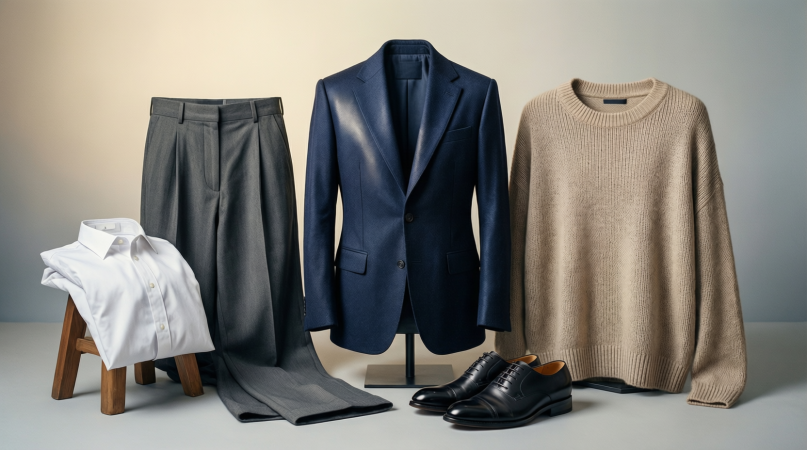
Core wardrobe essentials include everyday clothing. Start with:
- Plain t-shirts in neutral shades
- Comfortable jeans or trousers
- A versatile shirt or blouse
- A basic sweater or cardigan
These items work for multiple outfits and occasions.
Step 5: Add Outerwear Essentials
Outerwear completes your look. Choose pieces that suit different seasons.
Examples include a classic jacket, a light coat, or a warm winter layer. Neutral outerwear matches most outfits.
Step 6: Select Footwear Basics
Shoes are important wardrobe essentials. They affect comfort and appearance.
Consider owning:
- Casual shoes for daily wear
- Formal shoes for special occasions
- Comfortable sneakers for active days
Choose quality materials for durability.
Step 7: Include Accessories Wisely
Accessories enhance your wardrobe essentials. Keep them minimal and versatile.
Belts, watches, scarves, and simple bags add style without clutter. Avoid overbuying accessories you rarely use.
Step 8: Maintain and Update
Wardrobe essentials need care. Wash clothes properly and store them neatly.
Review your wardrobe every season. Replace worn-out items and adjust based on lifestyle changes.
Benefits of Wardrobe Essentials
- Saves time when choosing outfits
- Reduces unnecessary shopping
- Creates a consistent personal style
- Improves confidence and comfort
- Supports sustainable fashion habits
- Makes packing for travel easier
Disadvantages / Risks
- Limited variety if not balanced properly
- Initial cost of quality items can be higher
- Requires planning and discipline
- May feel repetitive without styling creativity
Common Mistakes to Avoid
One common mistake is buying too many trendy items. Trends fade quickly and disrupt wardrobe balance.
Another mistake is ignoring fit. Even expensive clothes look bad if they do not fit properly.
Some people also copy others instead of considering personal needs. Your wardrobe essentials should match your lifestyle, not someone elseā€™s.
Lastly, avoid poor-quality items. Cheap fabrics wear out fast and reduce long-term value.
FAQs
What are wardrobe essentials for beginners?
Wardrobe essentials for beginners include neutral t-shirts, jeans, comfortable shoes, and a simple jacket. These items are easy to style and practical.
How many wardrobe essentials should I own?
There is no fixed number. Focus on having enough pieces to cover daily needs without overcrowding your closet.
Can wardrobe essentials be stylish?
Yes, wardrobe essentials are stylish when chosen well. Their simplicity allows creativity through layering and accessories.
Are wardrobe essentials expensive?
They can cost more initially, but quality essentials last longer. Over time, they save money by reducing frequent shopping.
Do wardrobe essentials change with seasons?
The core remains the same, but you may add seasonal layers. For example, coats in winter and lighter fabrics in summer.
Can wardrobe essentials reflect personal style?
Absolutely. While basics are neutral, your choice of fit, fabric, and accessories adds personality.
Expert Tips & Bonus Points
Always prioritize comfort along with style. Clothes you enjoy wearing get more use.
Choose fabrics that suit your climate. Breathable materials work better in warm weather.
Invest slowly. Build your wardrobe essentials over time instead of buying everything at once.
Keep experimenting with combinations. Simple pieces can create many looks.
Take photos of outfits you like. This helps you repeat successful combinations easily.
Conclusion
Wardrobe essentials are the foundation of a smart and stylish closet. They simplify daily dressing and help you look confident in every situation. Instead of chasing trends, focusing on timeless basics creates balance and ease. With the right wardrobe essentials, you can mix and match outfits effortlessly.
Building a wardrobe takes time and thought. Start by understanding your lifestyle and choosing neutral colors. Pay attention to fit and quality, as these factors define long-term value. Remember that wardrobe essentials are not boring. They are flexible pieces that adapt to different styles and occasions.
By avoiding common mistakes and following expert tips, you can create a wardrobe that supports your daily life. Whether you are a beginner or an intermediate fashion enthusiast, wardrobe essentials offer reliability and simplicity. Over time, this approach saves money, reduces stress, and enhances personal style. A well-built wardrobe is not about having more clothes, but about having the right ones.
