


Introduction
Workwear outfits play a very important role in daily professional life. The way you dress for work affects how others see you and how confident you feel throughout the day. Whether you work in an office, a creative studio, a corporate environment, or a hybrid setup, the right workwear outfits help you look polished without sacrificing comfort. Many beginners feel confused about what to wear to work, especially when dress codes are not clearly defined. Some worry about looking too formal, while others fear appearing too casual.
In today’s modern workplaces, workwear outfits are no longer limited to strict suits and stiff clothing. Instead, they balance professionalism, comfort, and personal style. From tailored trousers and blazers to smart casual dresses and layered looks, there are many ways to create work-appropriate outfits that feel natural and easy to wear. The key is understanding your workplace culture, body type, and daily tasks.
This guide is designed for beginners and intermediate readers who want clear, practical advice. You will learn what workwear outfits are, why they matter, how to build them step by step, and how to avoid common mistakes. By the end of this article, you will feel confident choosing workwear outfits that look professional, feel comfortable, and suit your lifestyle.
What is Workwear Outfits?
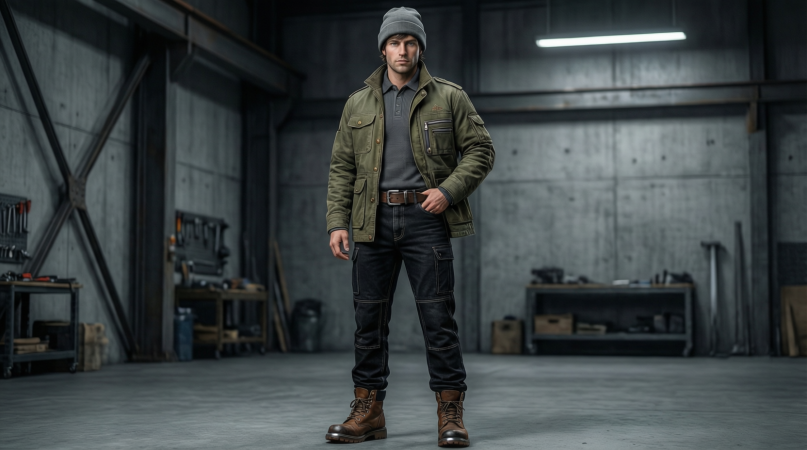
Workwear outfits refer to clothing combinations designed specifically for the workplace. These outfits are meant to look professional, neat, and appropriate for job-related environments. Unlike casual clothes worn at home or social events, workwear outfits follow certain style rules based on industry standards and company culture.
Traditionally, workwear outfits included formal suits, button-down shirts, pencil skirts, and closed shoes. However, modern workwear has evolved. Today, it includes business formal, business casual, and smart casual styles. This flexibility allows people to express their personality while still maintaining a professional appearance.
Workwear outfits usually focus on clean lines, neutral colors, structured pieces, and comfortable fabrics. Items like blazers, tailored pants, midi skirts, smart dresses, loafers, and low heels are common choices. Accessories are kept simple to avoid distraction. The main goal of workwear outfits is to help you appear capable, reliable, and ready for professional responsibilities.
Why is Workwear Outfits Important?
Workwear outfits are important because they influence first impressions. In professional settings, people often judge competence and confidence based on appearance before words are spoken. Dressing appropriately shows respect for your role and workplace.
Good workwear outfits also improve self-confidence. When you feel comfortable and well-dressed, you focus better on tasks and communication. Proper workwear can also create a clear boundary between work and personal life, helping you shift into a professional mindset.
Another reason workwear outfits matter is consistency. Wearing reliable, polished outfits daily builds a strong professional image over time. This can positively impact career growth, teamwork, and leadership perception. In simple terms, workwear outfits support both personal comfort and professional success.
Detailed Step-by-Step Guide
Step 1: Understand Your Workplace Dress Code
The first step in building workwear outfits is understanding your workplace rules. Some offices require formal attire, while others allow business casual or smart casual styles. Observe what colleagues wear and note what is considered acceptable.
If the dress code is not written, choose safer, slightly formal options at first. You can always adjust later. Knowing the environment helps you avoid over- or under-dressing.
Step 2: Build a Basic Workwear Wardrobe
A strong foundation makes choosing daily workwear outfits easier. Start with neutral basics that can mix and match.
Essential items include:
- Tailored trousers or straight-leg pants
- A well-fitted blazer
- Button-down shirts or blouses
- A knee-length or midi skirt
- A simple work dress
Neutral colors like black, navy, beige, gray, and white work well for most workplaces.
Step 3: Focus on Fit and Comfort
Fit is more important than trends when it comes to workwear outfits. Clothes that are too tight or too loose can look unprofessional. Choose pieces that allow easy movement, especially if you sit or stand for long hours.
Comfortable fabrics like cotton blends, wool blends, and breathable synthetics help you stay focused throughout the day. When you feel physically comfortable, your confidence naturally improves.
Step 4: Choose Appropriate Footwear
Shoes complete workwear outfits and should match the level of formality. Closed-toe shoes are usually safer for professional settings.
Popular options include:
- Loafers
- Low heels
- Block heels
- Clean, minimal flats
Avoid shoes that are too flashy or uncomfortable, as they can distract you during the workday.
Step 5: Add Layers for Versatility
Layering helps adapt workwear outfits to different temperatures and settings. A blazer, cardigan, or light jacket can instantly make an outfit look more professional.
Layers also allow you to transition from meetings to casual office tasks easily. Choose structured layers for formal settings and softer layers for relaxed environments.
Step 6: Use Accessories Carefully
Accessories should enhance workwear outfits, not overpower them. Simple watches, small earrings, and structured bags are ideal choices.
Avoid heavy jewelry or noisy accessories. A clean, minimal approach keeps your look professional and focused.
Step 7: Plan Outfits in Advance
Planning workwear outfits ahead of time saves stress and time. Preparing outfits for the week helps you avoid last-minute decisions and ensures consistency.
This habit also helps you notice gaps in your wardrobe and make smarter future purchases.
Benefits of Workwear Outfits
- Creates a professional and polished appearance
- Builds confidence and self-esteem
- Saves time with planned outfit choices
- Helps make positive first impressions
- Supports workplace respect and credibility
- Balances comfort with professionalism
- Encourages a focused work mindset
Disadvantages / Risks
- Can feel restrictive if poorly chosen
- May require initial investment
- Risk of overdressing or underdressing
- Limited personal expression in strict workplaces
- Poor fit can reduce comfort
- Trend-based choices may age quickly
Common Mistakes to Avoid
One common mistake with workwear outfits is ignoring fit. Even expensive clothes look unprofessional if they do not fit properly. Always prioritize tailoring and comfort.
Another mistake is following trends blindly. Trendy pieces may not suit professional settings or last long. Focus on timeless styles instead.
Wearing overly casual items is also a problem. Items like ripped jeans, flip-flops, or graphic t-shirts usually do not belong in workwear outfits.
Over-accessorizing is another issue. Too many accessories can distract and reduce professionalism. Keep things simple and balanced.
Lastly, ignoring grooming can ruin even the best workwear outfits. Clean shoes, neat hair, and simple grooming complete the look.
FAQs
What are the basics of workwear outfits?
The basics include tailored pants, blazers, simple tops, neutral colors, and closed-toe shoes. These pieces form a reliable professional wardrobe.
Can workwear outfits be comfortable?
Yes, modern workwear outfits focus on comfort as well as style. Choosing the right fabrics and proper fit makes a big difference.
How many workwear outfits should I own?
A small collection of mix-and-match pieces is enough. Around ten to fifteen core items can create many outfit combinations.
Are jeans allowed in workwear outfits?
In some workplaces, dark, well-fitted jeans are acceptable. Always check your office culture before wearing jeans.
How do I transition workwear outfits from day to night?
Add or remove layers, change shoes, and adjust accessories. A blazer removed or heels added can easily change the look.
Can colors be used in workwear outfits?
Yes, soft colors and muted tones work well. Balance them with neutral pieces to maintain professionalism.
Expert Tips & Bonus Points
Invest in tailoring whenever possible. Even simple tailoring can improve the look of affordable clothing.
Stick to a color palette to make mixing and matching easier. This reduces decision fatigue.
Choose quality over quantity. Fewer high-quality pieces last longer and look better.
Keep one backup outfit at work for emergencies. This helps maintain confidence during unexpected situations.
Regularly review your wardrobe and remove items you no longer wear. A clean wardrobe simplifies daily choices.
Conclusion
Workwear outfits are more than just clothes worn to the office. They are a powerful tool that shapes confidence, professionalism, and daily comfort. When chosen thoughtfully, workwear outfits support your career goals and help you feel prepared for every workday challenge. The right combination of fit, fabric, and style allows you to express yourself while respecting workplace expectations.
For beginners, building workwear outfits may seem overwhelming at first. However, by starting with basics, understanding your workplace culture, and focusing on comfort, the process becomes simple and enjoyable. Intermediate readers, on the other hand, can refine their style by improving fit, layering smartly, and planning outfits in advance.
Remember, workwear outfits should work for you, not against you. They should support movement, confidence, and professionalism throughout the day. With careful choices and consistent effort, anyone can create workwear outfits that feel natural, polished, and reliable. Dressing well for work is not about perfection; it is about showing up prepared, confident, and comfortable every single day.
